
The Prince and the Pauper – Chapter Eight – Historical Tidbit

Believe it or not, Henry VIII started out as a healthy, handsome, and strong young king. It wasn’t until later in life where he became the king most remember him for today — ornery, overweight, ill, and many-wived. So where did it all go wrong? Today our Historical Tidbit for Chapter 8 of The Prince and the Pauper is…

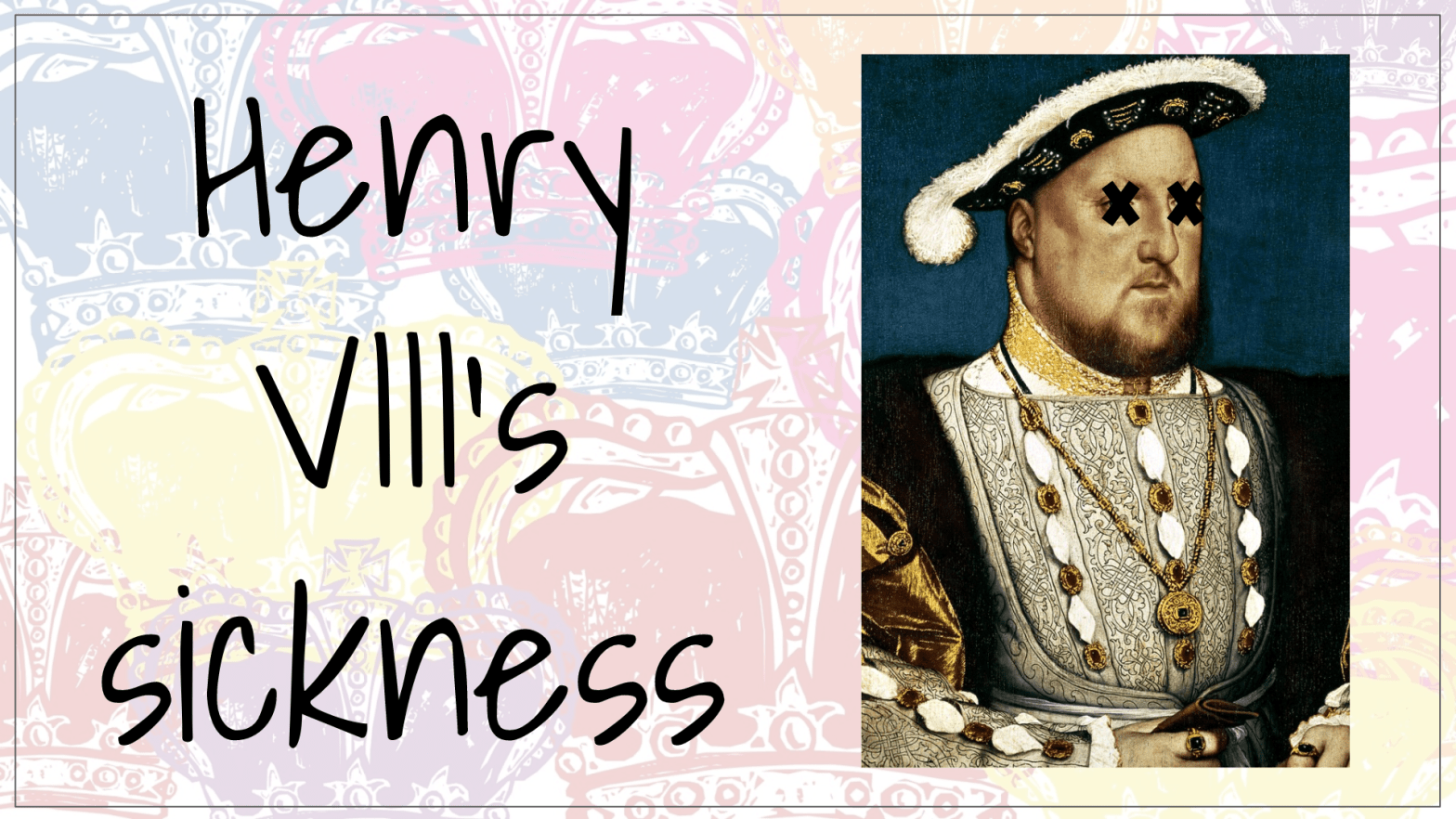
HENRY VIII’S SICKNESS

If you’ve ever done any exploration into the medical practices of the past, you probably agree that it’s shocking anyone even lived past childhood. Yet somehow, amongst plagues, infections, and terrifyingly unhygienic practices, people still survived! Unfortunately for Henry VIII, that luck eventually ran out. Keep reading or watch the video below to find out more about his failing health.

Chapter 8 shows multiple moments where we see his health start to fade. Below is one specific example:

“His voice failed; an ashen pallor swept the flush from his cheeks; and the attendants eased him back upon his pillows, and hurriedly assisted him with restoratives. ” (p. 39)

How did Henry’s health fail?

Henry started out very healthy and atheltic. Most people agree that the start of his failing health was a jousting accident. It happened on January 24, 1536, while he was still married to Anne Boleyn (his second wife). During a joust match, he was knocked from his horse, and the horse actually fell on him. As a result of this, he suffered a concussion. He also had an ulcer burst on his left leg, which had formed from a previous injury. He ended up getting ulcers on both of his legs, which led to many infections throughout the rest of his life.

What happened as a result?

There were many different ailments that happened as a result of this accident including:

  • He began to eat large amounts to compensate for pain (likely more than 300 lbs at death, maybe almost 400)
  • Muscle weakness
  • Some believe paranoia, anxiety, depression, and mental deterioration
  • Possibly suffered from Type II diabetes, syphillis, Cushing’s syndrome (endocrine problem), myxedema (caused by hypothyroidism)
  • Died January 28, 1547 (age 55) of renal (kidney) and liver failure

What were some other theories about his health?

Obviously now that we have a deeper understanding of the human body and diseases, scientists, doctors, and researchers can look back on the symptoms Henry was experiencing and can make some other guesses about what might have been happening.

One theory is that he was Kell positive (a rare blood group). “When a Kell positive man impregnates a Kell negative woman, there is a 50 percent chance of provoking an immune response in the woman’s body that attacks her developing fetus.” It is believed this this could possibly be what caused his wives to have so many miscarriages and so few healthy children.

Another theory is that he could have had McLeod Syndrome. “The disease generally affects only men and usually sets in around age 40 with symptoms including heart disease, movement disorders and major psychological symptoms, including paranoia and mental decline.” These symptoms match up with many of the descriptions of Henry in his later years, so it certainly seems possible.


Check us out on social media!

References

https://www.biography.com/news/henry-viii-bad-health#:~:text=Henry%20survived%20an%20early%20bout,to%20become%20even%20more%20diligent.

https://www.nbcnews.com/id/wbna42041766

https://www.historic-uk.com/HistoryUK/HistoryofEngland/Henry-VIII-Health-Problems/
The Prince and the Pauper – Chapter Eight – Vocabulary

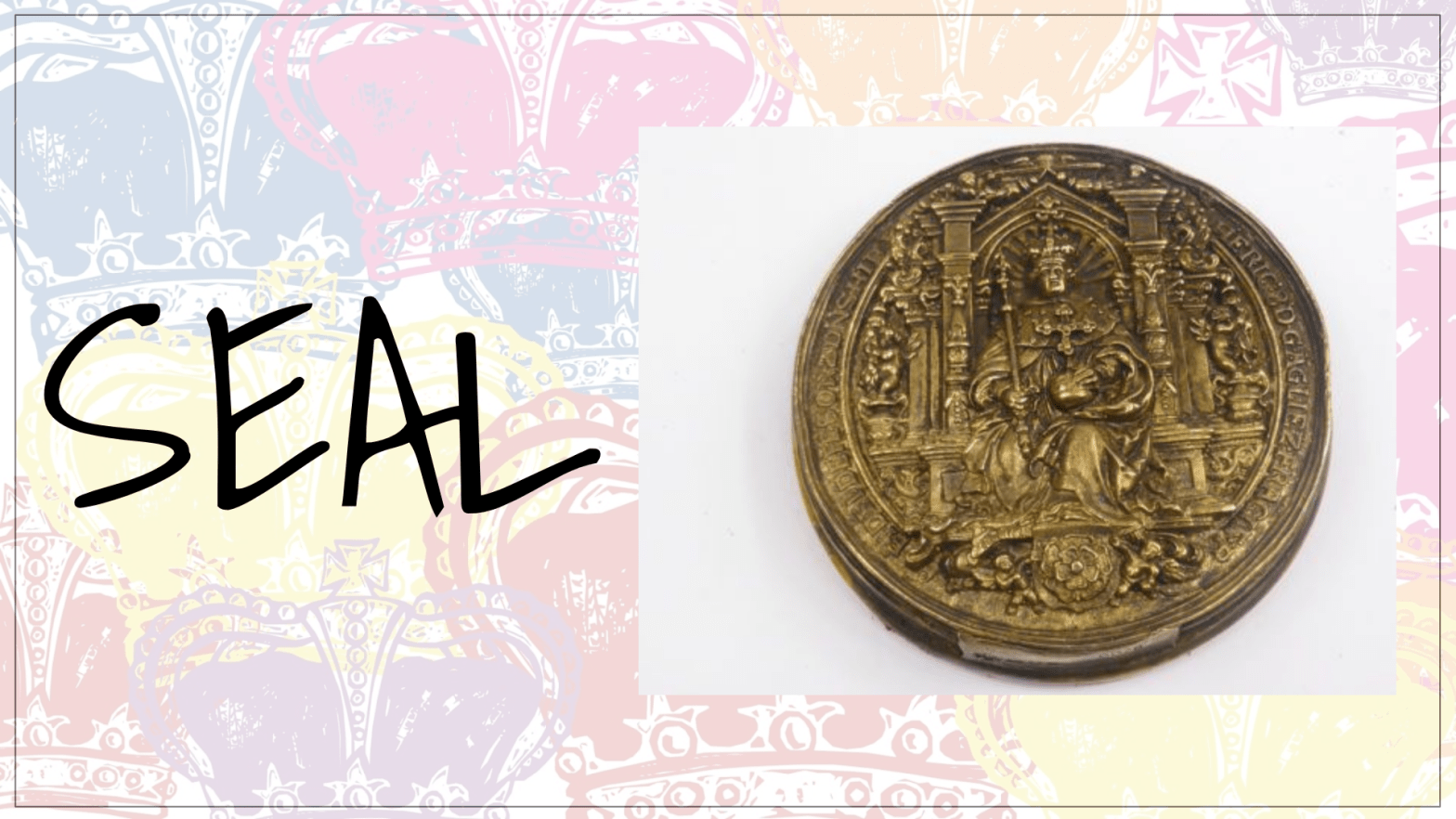
In Chapter 8, we find out how the king approved royal documents in a time where literacy rates were low, and signatures would be mostly meaningless. So what would be used instead? Today our vocab word is…

SEAL

The King’s Royal Seal was one of his most valuable posessions, and in Chapter 8 it goes MISSING…dun dun dun! The tradition of a seal still lives on to this day, most often by being pressed into hot wax on the back of a fancy envelope for things like wedding invitations. Keep reading or watch the video below for more information on the word ‘seal’.

SEAL

DEFINITION

(n) a material with a design stamped into it to approve documents
FACTS/CHARACTERISTICS

acts as a sort of signature
EXAMPLES

symbol
crest
insignia
NON-EXAMPLES

disapproval

Etymology

  • Language of Origin: Latin
  • “sigillum” meaning small picture, engraved figure, seal

  • Language of Origin: Old French
  • “seel” meaning seal on a letter

Sentences/Additional Forms

  • Straightforward sentence: The King used his royal seal to show he approved the document.
  • Sentence from the chapter: “The King dropped into inarticulate mumblings…gropingly trying to recollect what he had done with the Seal”  (p. 40)
  • Other forms: seal/sealed (v.) – to fasten/close securely

But wait, there’s more!

So when did we switch to signatures?

Signatures didn’t widely catch on until the 16th and 17th centuries in Europe. At that time, education and literacy were on the rise. In addition, most agreements were made in writing. In 1677, something called the Statute of Frauds was put in place in England. It said that contracts must exist in writing and must contain a signature. Obviously this contributed to the rise in signature use. This practice was also carried over to colonial America.

What were some other ways that have been used to show approval?

  • Press a signet ring into beeswax
  • Signet rings in general
  • Cutting off a lock of hair
  • Slapping (or other traumatic acts)
  • Signing an “x”

Follow us on social media!

References

https://www.etymonline.com/word/conduct

https://www.thebalancecareers.com/what-does-a-railroad-conductor-do-1361526#:~:text=Railroad%20conductors%20work%20aboard%20trains,operate%20only%20locally%20or%20regionally.

https://www.thebalancecareers.com/how-to-get-a-job-as-a-music-conductor-2060782

https://www.payscale.com/research/US/Job=Conductor%2C_Orchestra/Salary

The Best Advice from The Prince and the Pauper

With the start of the new year, it’s always a time where people look to improve themselves, whether they intend on sticking to it or not. For this reason, we felt this would be a good time to explore the best pieces of advice that can be found in The Prince and the Pauper in Chapters 1-7, as well as what we would imagine would be the resolutions for some of the characters at this point in the story.

Piece of Advice #1: Learn Latin/Languages

” [Edward] ‘Know’st thou the Latin?’
[Tom] ‘But scantly, sir, I doubt.’
[Edward] ‘Learn it, lad: ’tis hard only at first. The Greek is harder;’ ” (p.6)

“ ‘ ‘Tis a pity, ’tis a pity!  Thou wert proceeding bravely.  But bide thy time in patience:  it will not be for long.  Thou’lt yet be graced with learning like thy father, and make thy tongue master of as many languages as his, good my prince.’ ” (p.15)

In Chapter 3, Edward gives Tom some advice about learning Latin. Apparenty it is only hard when you start off, and besides it’s way easier than Greek. Though I’m not sure this advice would make Tom feel more confident in his Latin studies, we still agree with the sentiment. This idea is reiterated in Chapter 7, when Tom is talking with Lady Elizabeth and Lady Jane. The fact that he is pausing his studies comes up in conversation, and one of the little ladies pops in to tell Tom (who she believes is Edward) not to be discouraged because he will soon be able to continue his studies, and then he will be able to master many languages.

Studying other languages has so many benefits as seen in our blog post about polyglots. Latin in particular can be beneficial in so many ways. It helps to develop a foundation that can support the learning of so many different languages – Spanish, French, Italian, Portuguese, and more! It also helps with English vocabulary, since so many of our words stem from Latin roots.

Piece of Advice #2: Take time off of work for leisure

” ‘List ye all! This my son is mad; but it is not permanent. Over-study hath done this, and somewhat too much of confinement. Away with his books and teachers! see ye to it. Pleasure him with sports, beguile him in wholesome ways, so that his health come again.’ ” (p. 12)

In Chapter 5, King Henry VIII gives Tom (who he thinks is Edward) this solid advice. He believes that Edward has gone mad due to over-studying. So his solution is for Edward (really Tom) to take some time off of school to rest and rejuvinate.

I think this is powerful advice for people of any age to take. Too much time spent working (either in school or a job) can cause anyone to be burnt out. It’s important to work in time for leisure activities, or all we’ll all go mad!

Piece of Advice #3: If you can’t remember, pretend you do

” ‘Remember all thou canst—seem to remember all else.’ ” (p. 15)

In Chapter 6, Lord St. John gives Tom (who he thinks is Edward) this profound tip. At this point in the story, Tom has been given explicit orders from the King that he is no longer allowed to deny being the true prince. So Lord St. John elaborates on this command by given Tom the advice to try to remember all that he can, and when he doesn’t remember, just pretend!

Although this could be a dangerous tip at times (honesty is always the best policy) I think this little tip is in line with telling a little white lie every now and then. If one of your best friends is recalling a time where you watched a hilarious movie with them and you don’t really remember, just nod your head and laugh along! If your significant other surprises you by stating it’s your 5th year anniversary, pretend like you did not completely forget (and rush out to the store to get them a present ASAP!)

Character New Year’s Resolutions

Character’s NameNew Year’s Resolutions
TomTo make it through a royal dinner without embarassing myself
To convince Henry VIII not to rush the Duke of Norfolk’s death
EdwardTo get my throne back from that pauper usurper!
To open a school for the Christ’s Church boys
To swim in the river and play in the mud
King Henry VIIITo get my boy healthy again
To see the Duke of Norfolk’s head on a platter before I die

If you have any questions, contact us at admin@pontesbooks.com.

Follow us on social media!

The Prince and the Pauper – Chapter Seven – Fun Fact

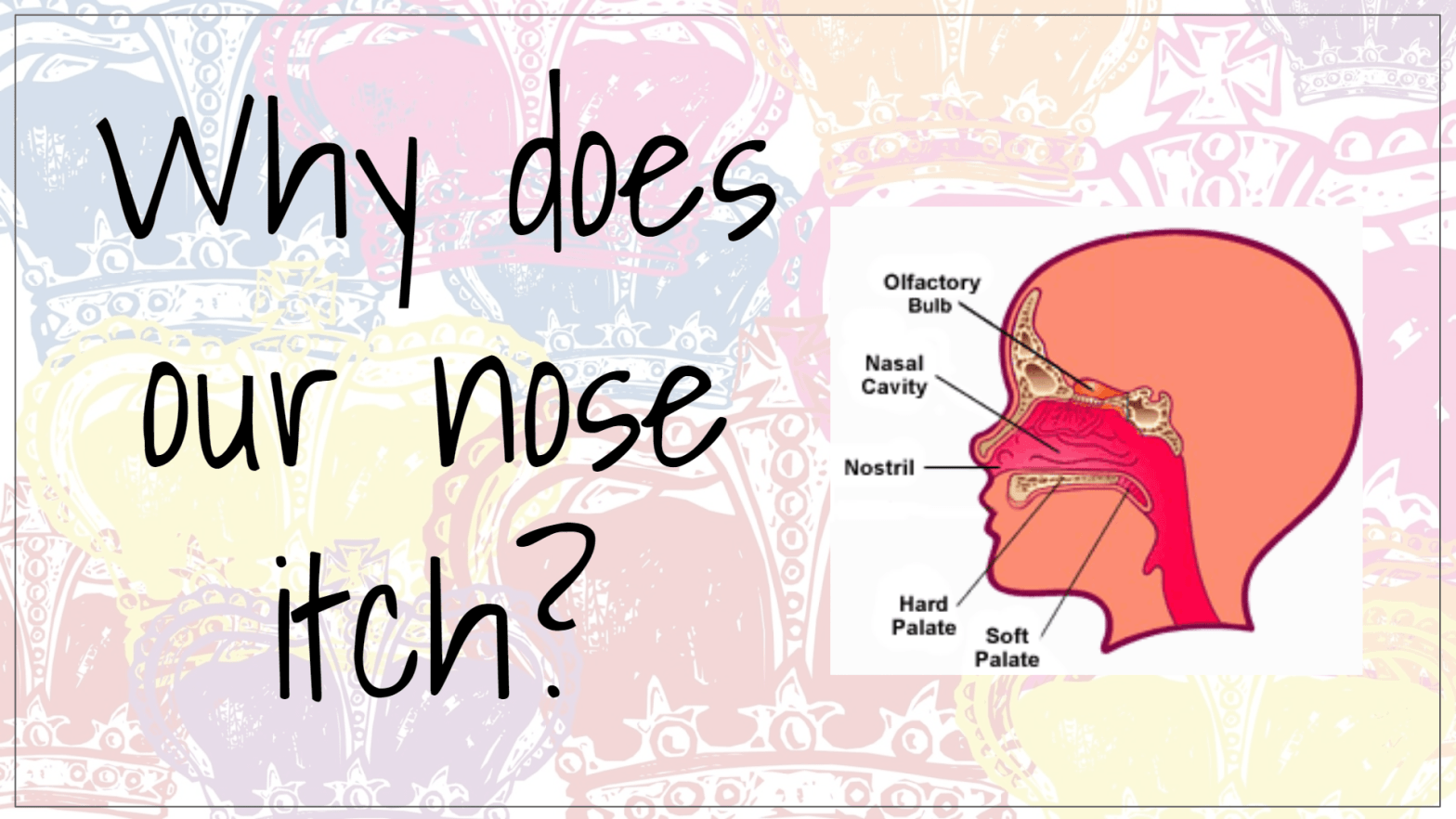
Chapter 7 contains one of my favorite scenes in The Prince and the Pauper. Mark Twain exaggerates Tom’s first experience with his many royal servants for a comedic effect. It all culminates in a moment where Tom begins to twitch and his eyes begin to water. He finally reveals that his nose itches, and he is unsure if there is a servant to perform that task for him. So naturally that led me to wonder…

Why does our nose itch?

Poor Tom sat their miserably before finally scratching his itch. So what caused it? Keep reading or watch the video below for more information.

Reference in The Prince and the Pauper

“At that moment the muscles of his nose began to twitch, and the end of that organ to lift and wrinkle. This continued, and Tom began to evince a growing distress. He looked appealingly, first at one and then another of the lords about him, and tears came into his eyes. They sprang forward with dismay in their faces, and begged to know his trouble.

Tom said with genuine anguish—“I crave your indulgence: my nose itcheth cruelly. What is the custom and usage in this emergence? Prithee, speed, for ’tis but a little time that I can bear it.” None smiled; but all were sore perplexed, and looked one to the other in deep tribulation for counsel. But behold, here was a dead wall, and
nothing in English history to tell how to get over it.

The Master of Ceremonies was not present: there was no one who felt safe to venture upon this uncharted sea, or risk the attempt to solve this solemn problem. Alas! there was no Hereditary Scratcher. Meantime the tears had overflowed their banks, and begun to trickle down Tom’s cheeks. His twitching nose was pleading more urgently than ever for relief. At last nature broke down the barriers of etiquette:  Tom lifted up an inward prayer for pardon if he was doing wrong, and brought relief to the burdened hearts of his court by scratching his nose himself.” (p. 36-37)

I always enjoy this part of the book because this quote is followed up by Tom stating that his father doesn’t speak any languages except for maybe the language of the pigs. This causes everyone in the room to give him a shocked look, since for them it sounds as if he is talking about King Henry. So he needs to quickly apologize and blame his “sickness”.

What causes an itch (pruritis)?

The feeling of an itch is caused by irritation of skin cells or nerve cells associated with skin. The nerve endings that sense the itch (pruriceptors) can be stimulated though many different methods, including mechanical, chemical, or thermal means. Usually the cause of the itching feeling is related to inflammation, dryness, or damage to the skin, mucous membrane, or eye.

Why does it help to scratch an itch?

I’m no science expert, but from my very basic understanding of the sources I examined, here is the simplified explanation. Specific nerve cells called C-fibers send signals to our brain. These are identical to nerve cells associated with pain. When the signal reaches the brain, it causes a reflex of rubbing or scratching. The action of scratching/rubbing stimulates other receptors in the same area, disrupting the pruriceptor stimulation. This only causes temporary relief though, as many people know from personal experience.

What causes our nose to itch?

Here are some of the causes of a nose itch:

  1. Seasonal allergies – common
  2. Rhinitis (inflammation of the nose) – common
  3. Allergic contact dermatitis (nose contacts allergen) – common
  4. Dermatofibroma (swelling/lump in skin) – rare
  5. Chronic allergies – common
  6. Insect bite – common
  7. Normal episode of itchy skin (pruritis) – common
  8. Viruses – common
  9. Sinusitis – common
  10. Nasal polyps (non-cancerous growths in nose) – common
  11. Migraines – less common

Ways to get rid of a nose tickle

  1. Saltwater nasal spray
  2. Neti pot
  3. Drink more fluids
  4. Avoid triggers
  5. Avoid irritating the nose further
  6. Humidifier
  7. Check for irritants
  8. Take medication

Follow us on social media!

References

https://www.healthline.com/health/tickle-in-nose

https://www.medicalnewstoday.com/articles/321664

https://www.buoyhealth.com/learn/nose-itch#causes

https://www.scientificamerican.com/article/experts-why-we-itch-and-scratch/#:~:text=An%20itching%20sensation%20of%20the,)%20and%20pain%20relief%20(opiods)

https://www.weasyl.com/~yagi/submissions/993205/tumblr-ask-nose-tickle

The Prince and the Pauper – Chapter Seven – Historical Tidbit

Do you ever feel like you wish someone would pick up your cup and just hand it to you? Or wish that someone would dress you in the morning? How about someone to help you go to the bathroom? Too far? If you answered yes to all of these questions then you might do well in a royal palace. Personally, this sounds like a nightmare to me, but I wanted to find out more about the people who did these roles. The Historical Tidbit for Chapter 7 of The Prince and the Pauper is focused on…

ROYAL SERVANTS

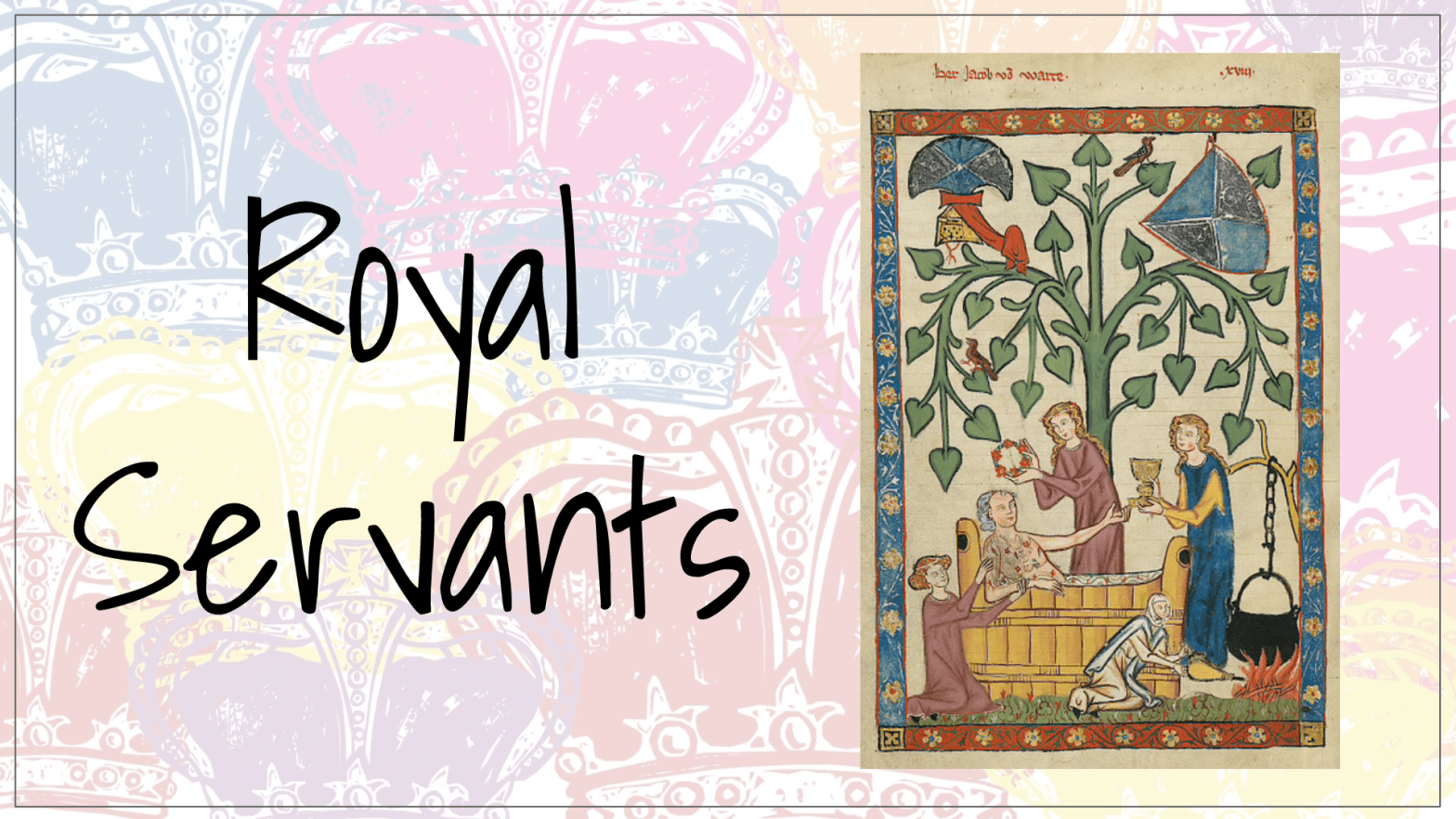
There are many different types of servants constantly butting in to force their service upon Tom in The Prince and the Pauper. Most of the time he is just annoyed, which adds to Mark Twain’s satire. But I wanted to look into these servants a little bit more. Keep reading or watch the video below for more information.

Here is an excerpt from Chapter 7 that mentions a number of different servants.

“…for the great post of Diaperers…Tom’s cupbearer was present…My Lord d’Arcy, First Groom of the Chamber, was there, to do goodness knows what; but there he was—let that suffice. The Lord Chief Butler was there, and stood behind Tom’s chair, overseeing the solemnities, under command of the Lord Great Steward and the Lord Head Cook, who stood near. Tom had three hundred and eighty-four servants beside these…”. (p. 35)

What were some servant roles?

In the time of King Henry VIII, there were two main departments that controlled most of the palace operations. The first was the Lord Chamberlain’s department. This group took care of the staterooms or the “seen” areas of the palace. They would focus on the rooms where important people woudl gather and discuss business. The other department was the Lord Steward’s. This department focused on the “below stairs” areas like the kitchens.

Some of the different roles that fell under the responsiblity of the Chamberlain include:

  • Laundress – ensure clothes, sheets, towels, and tablecloths wre clean
  • Chambermaids – tidy up and make rooms ready, prepare fires
  • Groom of the chamber – help put on outer clothes
  • Groom of the stool – helped the king use the toilet 

Some of the roles that fell under the responsiblity of the Steward are:

  • Cook – kitchens and food prep
  • Servers – served food
  • Cupbearers – held cups
  • ‘Spit-boys’ – turned meat on spits in front of the fires
  • Tasters – tested all food/drink for poison

What were the perks of being a servant?

There were many perks to being a servant in Henry VIII’s (and Edward VI’s) household. First of all, you get free food. Palace food was good even for the servants! They also had a ration of candles, wine, and beer. Additionally, they had free lodging. The accommodations where the servants stayed had varying levels of luxury based on the position that they had. Sometimes these rooms (often the more luxurious ones) had their own ‘ensuite’ toilets and chimneys. For those servants without their own toilets, they had access to the “Great House of Easement”, a toilet block that could seat up to 14!


Check us out on social media!

References

https://www.hrp.org.uk/hampton-court-palace/history-and-stories/life-at-the-tudor-court/#gs.o113qu

https://www.ancient.eu/article/1234/the-household-staff-in-an-english-medieval-castle/

https://www.historyextra.com/period/tudor/the-men-who-changed-henry-viiis-underpants/ https://www.thehistoryreader.com/world-history/killing-the-king-with-cuisine-henry-viii/

https://www.hrp.org.uk/hampton-court-palace/history-and-stories/life-at-the-tudor-court/#gs.o113qu

The Prince and the Pauper – Chapter Seven – Vocabulary

The vocabulary word for Chapter 7 in The Prince and the Pauper is a versatile one. It is a verb that can be applied to behavior, physics, music, leadership, and all with slightly different meanings. Today we dive into the word…

CONDUCTED

The word ‘conducted’ comes up in The Prince and the Pauper fourteen times! For this reason, and for the somewhat unique way in which Twain uses it in the story, it became an ideal choice for a vocab word focus. Keep reading or watch the video below to get more information about the word.

CONDUCTED

DEFINITION

(adj) led by a guide
(v) organized and carried out
FACTS/CHARACTERISTICS

train conductor
conductor (orchestra/choir)
EXAMPLES

managed
led
guided
NON-EXAMPLES

followed
abandoned
disorganized

Etymology

  • Language of Origin: Latin
  • “conductus” meaning to guide, accompany, and show the way
  • “conducere” meaning to lead or bring together; contribute, serve,
  • “com” = with/together and “ducere” = to lead

Sentences/Additional Forms

  • Straightforward sentence: The committee was conducted to a private meeting room in order to discuss the issue.
  • Sentence from the chapter: “He was presently conducted with much state to a spacious and ornate apartment, where a table was already set for one.” (p. 35)
  • Other forms: conducting (v.), conductible (adj.); conduct (n)

But wait, there’s more!

Below is information about some jobs that involve conducting:

JobDescriptionResponsibilitiesAverage Salary
Train Conductorwork aboard trains and coordinate the daily activities of train crewsOversee loading/unloading of cargoOversee safe and orderly transport of passengersCheck passengers’ ticketsTake payments from passengersAssist passengers as necessaryAnnounce stations$58,780
Music Conductordirect musical performances by orchestras and choral groupsunify performersset the tempoexecute clear preparations and beatslisten critically and shape the sound of the ensembleto control the interpretation and pacing of the music$49,132

Follow us on social media!

References

https://www.etymonline.com/word/conduct

https://www.thebalancecareers.com/what-does-a-railroad-conductor-do-1361526#:~:text=Railroad%20conductors%20work%20aboard%20trains,operate%20only%20locally%20or%20regionally.

https://www.thebalancecareers.com/how-to-get-a-job-as-a-music-conductor-2060782

https://www.payscale.com/research/US/Job=Conductor%2C_Orchestra/Salary

What’s New for Pontes Books in 2021?

Oh man! Can you believe Pontes Books has only been around for about sixth months??? Here’s a look back at what we accomplished in 2020:

  • Launching our Pontes Books website
  • Launching our social media pages including: Instagram, Twitter, Facebook, and others
  • Releasing our first novel: The Prince and the Pauper in seven unique versions (red, orange, yellow, blue, purple, white, and pink)
  • Launching a bi-weekly blog that focuses on vocabulary, history, current events, and fun facts, all related to our first novel release

What can you look forward to in 2021?

We have big plans for 2021! We’re excited about the response we’ve already gotten from the content that has already been released. We can’t wait to release more. Here’s what we have in the works:

Audio versions for The Prince and the Pauper. We hear you! A number of people have reached out to us about providing an audio version for our Pontes Books versions of The Prince and the Pauper, and that is definitely in the plan for the near future! Pontes Books is all about allowing readers at any level to access the Classics, and providing audio versions will open the door to even more individuals.

Games and Activities. In addition to the academic content related to The Prince and the Pauper, we also are intersted in putting together some games and activities related to the content. These could be things like Mad Libs, “choose your own adventure”-type activities, online board games, and more! There is so much to be done with this story, and we want to tap into that.

Exclusive content. Our first goal for this year was to just start getting our name and our products out there. In 2021, we want to focus a little more on rewarding our loyal patrons. People who subscribe to our mailing lists or join our Patreon should be expecting some unique exclusive content in the next year!

A new novel release. And finally last but not least, we will be releasing at least one new novel this year! We don’t want to reveal too much information at this point, but you can be assured that more books are in the works! In the meantime, keep enjoying the Prince and the Pauper content.

Icons made by Freepik from www.flaticon.com

If you have any questions, contact us at admin@pontesbooks.com.

Follow us on social media!

The Prince and the Pauper – Chapter Six – Fun Fact

How many languages do you speak? Are you at least bilingual like over half of the world’s population? Or are you like the rest of us still working on mastering our first and only language? Today we focus on the wonders that are…

POLYGLOTS

It’s always been a goal of mine to master at least one other language. I always envy those that can easily flip back and forth between multiple languages, especially children. So I chose this as our topic to explore for Chapter 6! Keep reading or watch the video below to explore what I found.

Reference in The Prince and the Pauper

[Lady Jane talking to “Edward” (actually Tom)]
“‘But bide thy time in patience: it will not be for long. Thou’lt yet be graced with learning like thy father, and make thy tongue master of as many languages as his, good my prince.’” (p. 29)

I always enjoy this part of the book because this quote is followed up by Tom stating that his father doesn’t speak any languages except for maybe the language of the pigs. This causes everyone in the room to give him a shocked look, since for them it sounds as if he is talking about King Henry. So he needs to quickly apologize and blame his “sickness”.

What is a polyglot?

A polyglot is someone who speaks or writes several languages, in other words, someone who is multilingual.

How many languages did Henry VIII speak?

It is hard to know for sure, but supposedly he spoke seven languages: English, French, Spanish, German, Italian, Latin, and Greek. At the time, Latin was used for discussing important issues, particularly with leaders in the church like Cardinal Wolsey. Henry also had two wives that came from other countries. His first wife, Catherine of Aragon, was from Spain and therefore spoke Spanish. His fourth wife, Anne of Cleves, came to England from Germany, so he may have spoken some German in order to communicate with her (and other important German figures).

Who are the most accomplished polyglots?

Technically anyone who knows 11 languages or more is called a hyperpolyglot. There are many known hyperpolyglots both in the past and present that have come to be known for their language aquisition skills.

First off there is Ziad Farah. He was born in Liberia, raised in Beirut, and lives in Brazil. As far as I can see, he holds the Guiness World Record for knowing the most languages. Some sites stated that he knows 58 and some said 59. Although there seems to be some controversy surrounding his title, he appears to be the most accomplished polyglot modern-day.

Then there’s John Bowring. He lived from 1792-1872. He was British and also was the fourth leader of Hong Kong. He claimed to know 200 languages and was able to speak 100. Though there is no way to verify this information for sure, he is thought to be the most accomplished polyglot of all time.

A last example is Cardinal Guiseppe Gaspardo Mezzofanti. He lived from 1774-1849. As an Italian member of the Catholic church, he had many opportunities to speak with people who spoke other languages. He spoke more than 38 languages fluently.

What are some benefits of being multilingual?

According to one article, here are eight benefits of being multilingual:

  1. A better understanding of how language works
  2. Less mental decline in old age
  3. A more efficient executive control system in brain
  4. Greater cognitive flexibility and problem-solving skills
  5. Improvements in learning abilities
  6. Changes in neurological processing
  7. More rational decision-making skills
  8. A more perceptive understanding of the world

Follow us on social media!

References

The Prince and the Pauper – Chapter Six – Historical Tidbit

In Chapter 6 of The Prince and the Pauper, we meet two of Edward’s childhood friends. However, we actually meet them through a conversation they have with Tom, who has to pretend to know who they are. This leads to a series of miscommunications and awkward situations that cause a chuckle or two. Today we are focusing on…

Lady Elizabeth and Lady Jane Grey

Were these ladies actually childhood friends with Edward? Keep reading or watch the video below for more information.

Below you’ll see the moment in Ch. 6 where the girls are first introduced.

“At this moment the Lady Elizabeth and the Lady Jane Grey were announced. The two lords exchanged significant glances, …St. John was saying in Tom’s ear— “…Let them not perceive that thou art much changed from thy wont, for thou knowest how tenderly thy old play-fellows bear thee in their hearts and how ’twould grieve them…”. (p. 28-29)

Who was Lady Elizabeth?

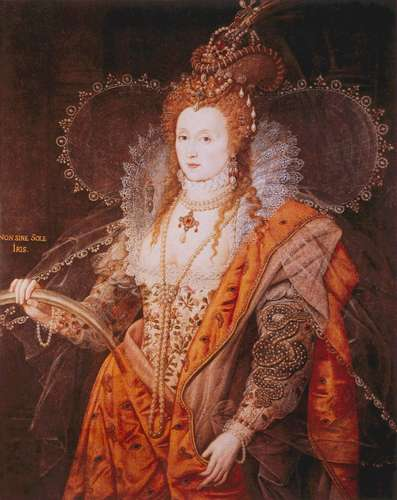
Lady Elizabeth was Henry VIII’s second daughter. This would make her Edward’s half-sister since they had different mothers. Elizabeth’s mother was Anne Boleyn, one of Henry’s wives that he had beheaded. As a result, Elizabeth was left motherless before she turned three. Not only that, but since Henry declared his marriage to Anne Boleyn as invalid, Elizabeth was declared an illegitimate child.

However, she still was treated kindly by Henry. She grew up in the palace with Edward, and spent a good deal of time with him in her childhood. She also received an education and learned many subjects including Greek, Latin, French, and Italian. For a girl to receive an education this extensive was somewhat rare, even for a royal. Elizabeth was also a devoted follower of the Protestant Church (the Church of England).

What happened to her?

After Henry VIII’s death, the crown passed from him to Edward VI to to Jane Grey (we’ll get to her in a second) to Mary and finally to Elizabeth. She was the last member of the Tudor family to take the throne, but she also retained it for significantly longer than any of her half-siblings. Her sister Mary, who was queen before her, brought England back to the Catholic Church after Henry had made the switch the Church of England. Now Elizabeth brought England back to Protestantism. She remained as queen for 40 years.

Who was Lady Jane Grey?

Lady Jane Grey was the oldest daughter of Henry Grey and the great-granddaughter of Henry VII. This technically made her Edward VI’s cousin once removed, though they just refer to her as his cousin in The Prince and the Pauper. She also was educated like her cousins. She studied Latin, Greek, and Hebrew. Similar to Elizabeth (and Edward) she supported English Protestantism, specifically the Church of England.

She ended up marrying Lord Guilford Dudley. Fun fact about him: he is also featured in Chapter 6! After Tom’s conversation with Elizabeth and Jane, Lord Guilford Dudley shows up to speak to him. However Tom (and Lord Hertford and Lord St. John) are so exhausted that they decide to send him away. It mentions in the story how disappointed Jane was that he was sent away, which makes sense as that was her future husband!

What happened to her?

After Edward VI died, Jane became the queen when she was just 16 years old. This was a strange choice because she was actually fifth in line to the throne. However, as Edward was dying he named Jane as his choice for queen since he knew she would keep England Protestant. However, her father played a part in a rebellion against Mary that ultimately ended Jane and her husband in the Tower. She only lasted nine days as queen before Mary, who had the support of most people in England as she was what they considered to be a “true heir”, took the throne from her. She was beheaded in 1554.


Check us out on social media!

References

https://www.britannica.com/biography/Elizabeth-I/Accession

https://www.historic-uk.com/HistoryUK/HistoryofEngland/Lady-Jane-Grey/

https://en.wikipedia.org/wiki/Lady_Jane_Grey

The Prince and the Pauper – Chapter Six – Vocabulary

One of the hardest things about reading Classic stories is cracking the “code” of the old-fashioned language. That “code” usually involves two different types of vocabulary hurdles — words with unknown definitions and words with unknown grammatical patterns. In our previous blog post we discussed one of the typical grammatical patterns seen in Classics, second person pronouns (thou, thee, thy, etc.). Another common pattern revolves around 2nd and 3rd person verb endings that have since changed. Today our vocabulary words for Ch. 6 are…

HATH, HAST, DOTH, CANST, SHALT, WILT, THOU’LT

Hopefully you can see by looking at these words what they have in common, especially when looking at the word endings. Keep reading or watch the video below to connect the dots completely!

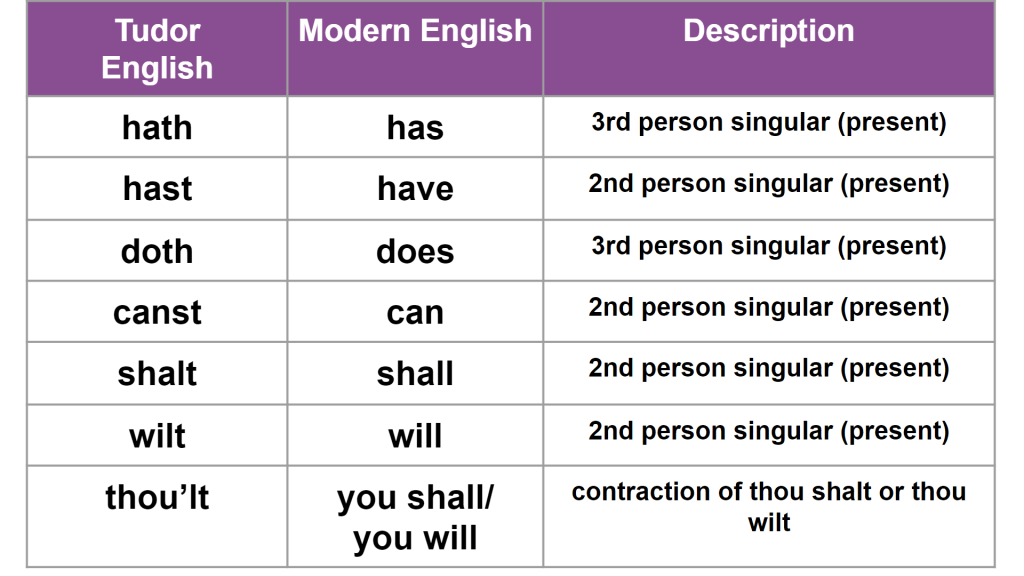
The chart above shows shows all of the words and their modern-day equivalents, as well as a description that helps to reveal the pattern. For the most part if you just substitue the “Tudor” version of the word with the modern English word that looks close to it, you’ll be just fine.

But technically the pattern revolves around Middle English verb endings. Originally the ending -est was used for 2nd person singular verbs (when talking to “you”). For example, I might say “You knowest the truth,” (except I would say “Thou knowest the truth,” technically.) The -th/-eth ending was used for 3rd person singular verbs (when talking about a person, like ‘he’ or ‘she’). For example you would say “He knoweth the truth.”

Over time, the -est ending disappeared. You’ll notice in examples like ‘knowest’, we’ve just dropped that ending and now we just say ‘you know’. For the -(e)th ending, it changed to an ‘s’. So now we would say ‘he knows’.


Sentences/Additional Forms

Original Sentence: Since he hath said it, it must be true.

Sentence from the chapter: “‘The King hath said it. None may palter with the King’s command, or fit it to his ease, where it doth chafe, with deft evasions. The King shall be obeyed.’” (p. 28)

But wait, there’s more!

Here are a few idioms where you can find this week’s vocab words:

  • Hell hath no fury like a woman scorned
  • Methinks the lady doth protest too much

Follow us on social media!

References

https://www.shakespeareswords.com/Public/LanguageCompanion/ThemesAndTopics.aspx?TopicId=40#:~:text=Two%20present%2Dtense%20verb%2Dendings,(as%20in%20she%20goeth).